The Role of Health Information Technology in Scaling Global Telemedicine Platforms sets the stage for this enthralling narrative, offering readers a glimpse into a story that is rich in detail and brimming with originality from the outset.
Exploring the importance of Health Information Technology (HIT) in telemedicine, the challenges and solutions in implementing HIT for telemedicine, the impact of HIT on global telemedicine accessibility, and future trends and innovations in HIT for telemedicine.
Importance of Health Information Technology (HIT) in Telemedicine
Telemedicine relies heavily on Health Information Technology (HIT) to provide efficient and effective healthcare services remotely. HIT plays a crucial role in enabling healthcare professionals to deliver care to patients in different geographical locations through digital platforms.
Facilitating Telemedicine Services
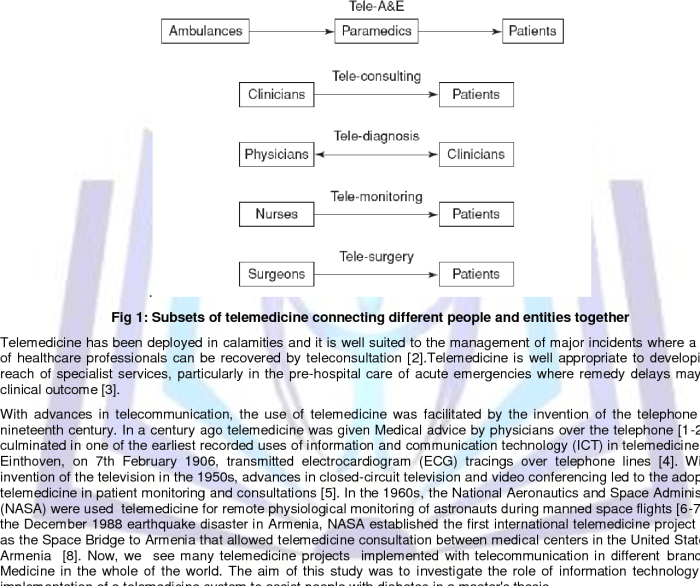
Health Information Technology tools such as Electronic Health Records (EHRs), teleconferencing software, and remote monitoring devices are essential in supporting telemedicine services. EHRs allow healthcare providers to access patient information securely and in real-time, enabling them to make informed decisions during virtual consultations. Teleconferencing software facilitates video consultations between healthcare providers and patients, creating a seamless virtual healthcare experience. Remote monitoring devices enable patients to measure vital signs and share data with healthcare providers, enhancing the monitoring and management of chronic conditions.
Enhancing Communication and Data Sharing
HIT enhances communication and data sharing in telemedicine by enabling secure messaging between healthcare providers, patients, and other stakeholders. Through secure messaging platforms integrated into telemedicine systems, healthcare providers can communicate efficiently, share test results, and collaborate on patient care plans. Additionally, HIT tools like health information exchanges allow for the seamless exchange of patient information between different healthcare organizations, ensuring continuity of care for telemedicine patients.
Challenges and Solutions in Implementing HIT for Telemedicine
Implementing Health Information Technology (HIT) into telemedicine platforms comes with its own set of challenges that need to be addressed in order to ensure successful integration. From technical issues to data security concerns, there are several obstacles that need to be overcome.
Common Challenges Faced in Integrating HIT into Telemedicine Platforms
- Lack of interoperability between different systems and software used in telemedicine, leading to difficulties in sharing patient information seamlessly.
- Resistance from healthcare providers to adopt new HIT systems due to concerns about disruptions in workflow and training requirements.
- Limited access to high-speed internet and technology in rural or underserved areas, hindering the widespread implementation of telemedicine platforms.
Strategies for Overcoming Barriers to Implementing HIT in Telemedicine
- Investing in comprehensive training programs for healthcare providers to ensure smooth adoption and integration of HIT systems into their practice.
- Developing standardized protocols and guidelines for data sharing and interoperability to facilitate seamless communication between different telemedicine platforms.
- Collaborating with telecommunication companies and government agencies to improve internet infrastructure and access in remote areas, enabling more individuals to benefit from telemedicine services.
The Importance of Data Security and Privacy in HIT for Telemedicine
Data security and privacy are paramount when it comes to implementing HIT in telemedicine. With sensitive patient information being transmitted and stored electronically, it is crucial to ensure that robust security measures are in place to protect this data from breaches and unauthorized access.
Encryption technologies and secure authentication methods must be utilized to safeguard patient data and maintain confidentiality in telemedicine transactions.
Impact of HIT on Global Telemedicine Accessibility
Health Information Technology (HIT) plays a crucial role in enhancing global telemedicine accessibility by breaking down barriers and connecting patients with healthcare services regardless of their geographical location. Through the utilization of HIT, individuals in underserved regions can now access quality healthcare remotely, leading to improved health outcomes and bridging healthcare gaps that were once insurmountable.
Enhanced Remote Monitoring and Consultation
- HIT allows healthcare providers to remotely monitor patients’ vital signs, symptoms, and medical history, enabling timely interventions and personalized care plans.
- Teleconsultations facilitated by HIT enable patients in remote areas to connect with specialists and receive expert medical advice without the need for physical travel.
Improved Access to Healthcare Resources
- By leveraging HIT, healthcare facilities in underserved regions can access medical databases, online resources, and telemedicine platforms to enhance their diagnostic and treatment capabilities.
- Mobile health applications powered by HIT enable individuals to self-monitor their health, access educational materials, and receive reminders for medication adherence, promoting proactive healthcare management.
Empowering Healthcare Providers in Remote Areas
- HIT equips healthcare providers in remote areas with access to telemedicine training, telehealth networks, and virtual collaborations with experts, enabling them to deliver high-quality care and improve patient outcomes.
- Telemedicine platforms supported by HIT enable healthcare teams to collaborate, share knowledge, and consult on complex cases, fostering a culture of continuous learning and professional development.
Future Trends and Innovations in HIT for Telemedicine
Telemedicine has seen significant growth in recent years, and the role of Health Information Technology (HIT) in driving this progress cannot be understated. As we look towards the future, there are several emerging technologies that could revolutionize telemedicine through HIT, making healthcare more accessible and efficient for patients worldwide.
Role of Artificial Intelligence and Machine Learning
Artificial intelligence (AI) and machine learning are poised to play a crucial role in optimizing telemedicine platforms. These technologies have the potential to revolutionize the way healthcare is delivered, by enabling more accurate diagnoses, personalized treatment plans, and predictive analytics. AI-powered chatbots can also enhance patient engagement and provide real-time support to users, improving the overall telemedicine experience.
Scalability and Sustainability of Global Telemedicine Initiatives
Health Information Technology (HIT) can support the scalability and sustainability of global telemedicine initiatives by streamlining processes, enhancing data security, and improving interoperability between different systems. Cloud-based solutions, remote monitoring devices, and telehealth platforms are just a few examples of how HIT can enable telemedicine programs to reach more patients in remote or underserved areas, ensuring equitable access to quality healthcare services.
Closing Notes
In conclusion, The Role of Health Information Technology in Scaling Global Telemedicine Platforms underscores the critical role technology plays in advancing telemedicine services globally. It highlights the potential of HIT to bridge healthcare gaps, improve outcomes in remote areas, and support the scalability of telemedicine initiatives in the future.
FAQ Summary
How does HIT enhance communication in telemedicine services?
HIT enables real-time data sharing, secure messaging, and video conferencing tools that improve communication between healthcare providers and patients.
What are common challenges in implementing HIT for telemedicine?
Common challenges include interoperability issues, data security concerns, resistance to change among healthcare professionals, and the high cost of implementing HIT systems.
How does HIT contribute to expanding access to telemedicine services worldwide?
HIT allows for remote consultations, telemonitoring, and e-prescriptions, making healthcare services more accessible to individuals in remote or underserved areas.
What are some future trends in HIT for telemedicine?
Emerging technologies like virtual reality, wearable devices, and telehealth apps are expected to revolutionize telemedicine. Additionally, AI and machine learning will play a significant role in optimizing telemedicine platforms.