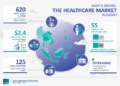
As the demand for private healthcare services surges in Asia’s emerging markets, it’s crucial to delve into the factors driving this growth. From investment trends to technological advancements, this topic offers a deep dive into the booming private healthcare sector.
Let’s explore the landscape of private healthcare in Asia’s emerging markets and uncover the key elements propelling its expansion and development.
Overview of Private Healthcare in Asia’s Emerging Markets
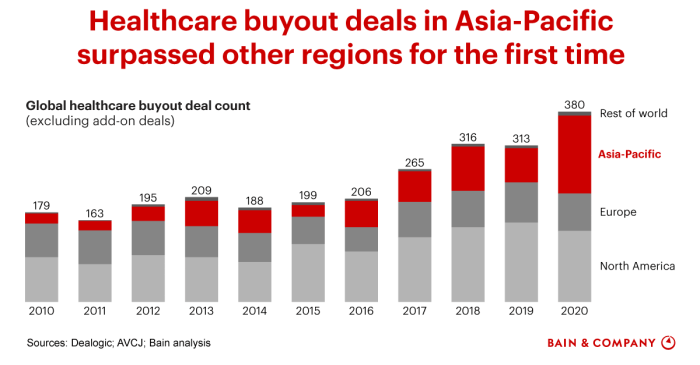
Private healthcare in Asia’s emerging markets has seen significant growth and evolution over the years. Initially, these markets heavily relied on public healthcare systems, but with the increasing demand for quality healthcare services, the private sector has expanded rapidly to meet the needs of the growing population.
The current landscape of private healthcare services in Asia’s emerging markets is diverse and competitive. Private hospitals, clinics, diagnostic centers, and specialty care facilities have proliferated, offering a wide range of services to cater to different segments of the population. These facilities often boast state-of-the-art equipment, well-trained medical professionals, and a focus on patient comfort and satisfaction.
Brief History of Private Healthcare
Private healthcare in Asia’s emerging markets began to gain traction in the late 20th century as economic development led to a rise in disposable incomes and increased healthcare awareness among the population. This prompted the growth of private hospitals and clinics, offering more personalized and efficient healthcare services compared to public institutions.
- Private healthcare providers in Asia’s emerging markets often invest heavily in technology and infrastructure to deliver high-quality care to patients.
- Medical tourism has also played a significant role in the growth of private healthcare, with patients from around the world seeking treatment in these markets due to the affordable costs and high standards of care.
- The increasing prevalence of chronic diseases and lifestyle-related conditions has further fueled the demand for private healthcare services, as patients seek specialized care and personalized treatment options.
Comparison with Public Healthcare Systems
When comparing private healthcare with public healthcare systems in Asia’s emerging markets, several key differences become apparent. Private healthcare is typically known for its personalized and efficient services, while public healthcare aims to provide affordable and accessible services to the general population.
Advantages and Disadvantages of Private Healthcare
- Advantages:
- Quicker access to medical services and specialists
- Higher quality facilities and equipment
- More personalized care and attention
- Ability to choose healthcare providers and services
- Disadvantages:
- Higher costs compared to public healthcare
- Exclusivity that may limit access to some individuals
- Potential lack of regulation and oversight in some cases
- Focus on profit margins may prioritize commercial interests over patient care
Complementarity and Competition
Private and public healthcare systems often complement each other by catering to different segments of the population. While public healthcare serves the majority with basic services, private healthcare offers specialized treatments and services for those who can afford it. This division creates competition that can drive innovation, efficiency, and quality in both sectors.
Investment and Funding Trends
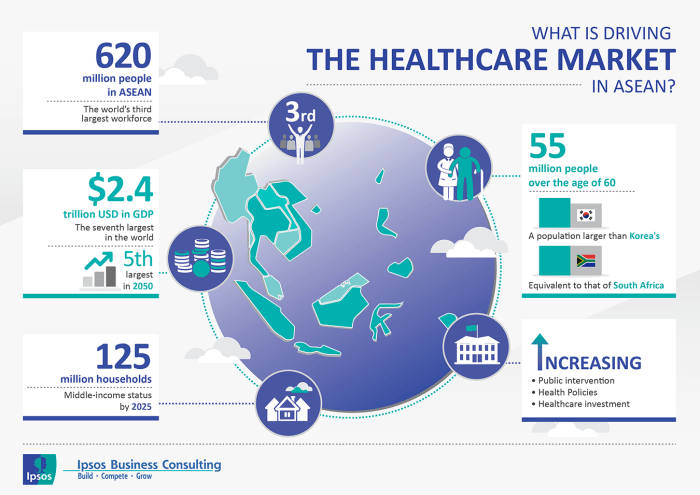
Investment and funding play a crucial role in the growth and development of private healthcare services in Asia’s emerging markets. Let’s delve into the recent trends in this area and explore the key sources of funding for private healthcare ventures.
Recent Investment Trends
- Private equity firms have been increasingly investing in the healthcare sector in Asia’s emerging markets, attracted by the growing demand for quality healthcare services.
- Venture capital funding has also been on the rise, particularly in health tech and digital health startups that aim to revolutionize the way healthcare is delivered in these markets.
- Foreign direct investment (FDI) has been flowing into the private healthcare sector, driving innovation and competition among healthcare providers.
Sources of Funding for Private Healthcare Ventures
- Traditional sources of funding for private healthcare ventures include commercial banks, private investors, and healthcare-focused funds.
- Growth in impact investing has led to more social impact funds supporting healthcare initiatives in Asia’s emerging markets, focusing on both financial returns and social impact.
- Public-private partnerships have also emerged as a key source of funding for large-scale healthcare projects, leveraging both public and private sector resources.
Contribution of Investment and Funding
Investment and funding not only enable private healthcare providers to expand their services and infrastructure but also drive innovation and quality improvements in healthcare delivery. By attracting capital and expertise, private healthcare ventures can enhance accessibility, affordability, and quality of healthcare services in Asia’s emerging markets, ultimately benefiting the population at large.
Technological Advancements and Innovation
Technology plays a crucial role in driving innovation within private healthcare services in Asia’s emerging markets. By embracing cutting-edge technologies, private healthcare facilities are able to enhance the quality and accessibility of healthcare services for the population.
Adoption of Telemedicine
- Telemedicine has revolutionized the way healthcare services are delivered, especially in remote areas where access to medical facilities may be limited. Through teleconsultations, patients can receive timely medical advice and prescriptions without the need to travel long distances.
- Remote monitoring devices allow healthcare providers to track a patient’s vital signs and health metrics in real-time, enabling early intervention and personalized care.
Integration of Artificial Intelligence (AI)
- AI-powered diagnostic tools are being utilized to analyze medical images and test results with greater accuracy and efficiency. This not only speeds up the diagnosis process but also reduces the margin of error.
- AI algorithms are also used to predict disease progression and recommend personalized treatment plans based on a patient’s medical history and genetic makeup.
Blockchain Technology for Secure Data Management
- Blockchain technology is being implemented to securely store and manage patient data, ensuring confidentiality and integrity. This decentralized system prevents unauthorized access and tampering of sensitive medical information.
- Smart contracts within blockchain networks enable transparent and automated processes for insurance claims, medical billing, and cross-border healthcare transactions.
Regulatory Environment and Policy Implications
The regulatory framework plays a crucial role in shaping the landscape of private healthcare in Asia’s emerging markets. Government policies have a direct impact on the growth, quality, and accessibility of private healthcare services in these regions. Changes in regulations can significantly influence the competitive dynamics among private healthcare providers.
Regulatory Framework in Asia’s Emerging Markets
- Each country in Asia’s emerging markets has its own set of regulations governing private healthcare.
- Regulatory bodies oversee licensing, quality standards, pricing, and operational guidelines for private healthcare providers.
- Some countries may restrict foreign ownership or investment in private healthcare, leading to unique challenges for international players.
Government Policies and Growth of Private Healthcare
- Government policies promoting privatization or public-private partnerships can spur the growth of private healthcare services.
- Incentives such as tax breaks or subsidies for private healthcare investments can attract more capital into the sector.
- On the other hand, stringent regulations or lack of support from the government may hinder the expansion of private healthcare providers.
Impact of Regulatory Changes on Competitive Landscape
- Changes in regulations related to insurance coverage, pricing transparency, or quality standards can affect the competitive positioning of private healthcare providers.
- Market consolidation or entry of new players may be influenced by regulatory shifts in favor or against certain business models.
- Adaptability to regulatory changes has become a key factor for private healthcare providers to maintain competitiveness in rapidly evolving markets.
Ultimate Conclusion
In conclusion, the rise of private healthcare in Asia’s emerging markets signifies a significant shift in the healthcare industry. With innovative technologies and strategic investments, private healthcare providers are reshaping the way healthcare services are delivered and accessed in these regions.
FAQ Resource
What are the key factors contributing to the growth of private healthcare in Asia’s emerging markets?
The growth of private healthcare in Asia’s emerging markets can be attributed to factors such as increasing demand for quality healthcare services, rising disposable incomes, and advancements in medical technology.
How do private healthcare services in Asia’s emerging markets compare to public healthcare systems?
Private healthcare in Asia’s emerging markets often offers faster access to services, higher quality care, and more personalized treatment options compared to public healthcare systems, which may face resource constraints.
What recent investment trends have been observed in private healthcare in Asia’s emerging markets?
Recent trends show a growing interest from investors in private healthcare ventures in Asia’s emerging markets, with a focus on expanding facilities, adopting advanced technologies, and enhancing the overall patient experience.
How have regulatory changes influenced the competitive landscape of private healthcare providers in Asia’s emerging markets?
Regulatory changes have played a significant role in shaping the competitive landscape of private healthcare providers in Asia’s emerging markets by setting standards for quality of care, patient safety, and operational practices.