Embarking on a journey into the realm of Affordable Health Insurance for Small Companies in 2025 sets the stage for an intriguing exploration, delving into the intricacies of a crucial topic.
The landscape of health insurance for small businesses is ever-evolving, with challenges and innovations shaping the future.
Current Situation of Affordable Health Insurance for Small Companies
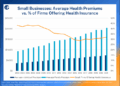
Small companies often struggle to provide affordable health insurance to their employees due to various challenges. The rising costs of health insurance pose a significant burden on these businesses, impacting their budgets and ability to offer comprehensive coverage.
Challenges Faced by Small Companies
Small companies face several challenges when it comes to providing affordable health insurance. Some of the key issues include:
- Limited bargaining power: Small businesses do not have the same negotiating power as larger corporations, making it difficult to secure cost-effective health insurance plans.
- Administrative costs: Managing health insurance plans can be costly for small companies, especially when dealing with complex regulations and compliance requirements.
- Lack of economies of scale: Small businesses do not benefit from the economies of scale that larger companies enjoy, leading to higher per-employee costs for health insurance.
Factors Contributing to Rising Costs
Several factors contribute to the rising costs of health insurance for small businesses:
- Medical inflation: The overall increase in healthcare costs, including rising prescription drug prices and medical procedures, drives up the cost of health insurance premiums.
- Aging workforce: As the workforce ages, the demand for healthcare services increases, leading to higher insurance costs for small companies.
- Regulatory changes: Changes in healthcare regulations can impact insurance premiums and administrative costs for small businesses, adding to the overall expenses.
Impact on Small Company Budgets
The current healthcare landscape has a significant impact on small company budgets:
- Financial strain: High health insurance costs can put a strain on the financial resources of small businesses, affecting their ability to invest in other areas of their operations.
- Competitive disadvantage: Small companies that struggle to offer competitive health insurance benefits may find it challenging to attract and retain top talent, impacting their overall competitiveness in the market.
- Budget constraints: Limited budgets may force small businesses to choose between offering comprehensive health insurance coverage and other essential benefits, leading to trade-offs that can affect employee satisfaction and retention.
Trends in Health Insurance for Small Companies by 2025
The landscape of health insurance for small companies is expected to undergo significant changes by 2025 as the industry continues to evolve. With advancements in technology and a growing focus on affordability, several trends are likely to shape the future of health insurance offerings for small businesses.
Increased Focus on Preventative Care
Innovations in health insurance by 2025 may see a shift towards preventative care, aiming to reduce overall healthcare costs by keeping employees healthy. This could involve incentives for employees to participate in wellness programs, regular health screenings, and access to telemedicine services for early intervention.
Customized Health Insurance Plans
Small companies may benefit from more personalized health insurance plans tailored to their specific needs and employee demographics. By offering flexible coverage options, businesses can optimize costs while ensuring adequate healthcare benefits for their employees.
Integration of AI and Data Analytics
Technology is expected to play a crucial role in shaping the future of health insurance for small companies. The integration of artificial intelligence (AI) and data analytics can help insurers better predict healthcare costs, identify trends, and offer more competitive pricing to small businesses.
This data-driven approach may lead to more accurate pricing models and improved risk management strategies.
Collaboration with Insurtech Startups
Collaborations between traditional insurance providers and insurtech startups may lead to innovative solutions that make health insurance more affordable for small companies. By leveraging technology such as blockchain for secure data sharing and automation for streamlined processes, insurers can offer cost-effective options tailored to the needs of small businesses.
Emphasis on Employee Well-being
In 2025, health insurance offerings for small companies may place a stronger emphasis on employee well-being beyond just medical coverage. This could include mental health support, access to virtual healthcare services, and resources for managing stress and promoting work-life balance.
By addressing holistic employee wellness, insurers can help small businesses create a healthier and more productive workforce.
Strategies for Small Companies to Access Affordable Health Insurance
Small companies face unique challenges when it comes to providing affordable health insurance for their employees. However, there are several strategies they can adopt to ensure access to quality healthcare benefits without breaking the bank.
Comparison of Traditional Health Insurance Models with Emerging Alternatives
Traditional health insurance models typically involve higher premiums and limited flexibility for small businesses. On the other hand, emerging alternatives such as health savings accounts (HSAs), health reimbursement arrangements (HRAs), and association health plans offer more cost-effective options with customizable features.
- HSAs allow employees to contribute pre-tax dollars to a savings account for medical expenses, paired with a high-deductible health plan.
- HRAs are employer-funded accounts that reimburse employees for out-of-pocket medical expenses, providing more control over healthcare costs.
- Association health plans enable small businesses to band together to negotiate better rates with insurance providers, leveraging their collective buying power.
Successful Case Studies of Cost-Effective Health Insurance Plans
Several small companies have successfully implemented innovative health insurance strategies to provide affordable coverage for their employees.
“Company XYZ reduced healthcare costs by 20% by implementing a wellness program that incentivized employees to lead healthier lifestyles.”
- ABC Corporation partnered with a telemedicine provider to offer virtual consultations, reducing unnecessary emergency room visits and lowering overall healthcare expenses.
- DEF Industries implemented a tiered insurance plan, allowing employees to choose from different coverage levels based on their individual needs and budgets.
- GHI Enterprises negotiated direct contracts with healthcare providers, eliminating the middleman and reducing administrative costs associated with traditional insurance plans.
Regulatory Environment Impact on Affordable Health Insurance

The regulatory environment plays a crucial role in shaping the affordability of health insurance for small companies. Changes in healthcare regulations can have a significant impact on the options available and the cost of coverage for small businesses. Government policies can either promote or hinder access to affordable health insurance for small companies, depending on their design and implementation.
Small companies may face various regulatory challenges when trying to secure affordable health insurance in 2025.
Impact of Regulatory Changes
Government regulations can directly influence the cost and availability of health insurance options for small companies. For example, changes in regulations related to coverage requirements, tax incentives, or market competition can impact the affordability of health insurance plans. Small businesses need to stay informed about these regulatory changes to make informed decisions about their healthcare benefits for employees.
Role of Government Policies
Government policies can either facilitate or impede small companies’ access to affordable health insurance options. For instance, policies that promote competition among insurers or provide subsidies to small businesses can help lower premiums and expand coverage choices. On the other hand, regulations that impose administrative burdens or restrict the formation of insurance pools may hinder small companies’ ability to secure cost-effective health insurance.
Potential Regulatory Challenges
Small companies may encounter various regulatory challenges when trying to access affordable health insurance in 2025. These challenges could include compliance with complex reporting requirements, navigating state-specific regulations, or dealing with changes in federal healthcare laws. Additionally, regulatory uncertainty or instability can create difficulties for small businesses in planning for their healthcare needs and budgeting for insurance costs.
Last Recap
As we conclude this discussion on Affordable Health Insurance for Small Companies in 2025, it’s evident that proactive strategies and regulatory insights are key to navigating the complexities of healthcare coverage for small businesses.
FAQ Section
What are the common challenges small companies face in providing affordable health insurance?
Small companies often struggle with limited bargaining power and economies of scale, leading to higher premiums and reduced coverage options.
How can small companies access affordable health insurance in 2025?
By exploring innovative solutions, leveraging technology, and potentially pooling resources through industry collaborations or group plans.
What role does government policy play in shaping health insurance affordability for small businesses?
Government policies can either facilitate access to affordable health insurance through subsidies or create regulatory hurdles that increase costs for small companies.