As we delve into the realm of 2026, the landscape of healthcare is undergoing a remarkable transformation with the integration of Health Information Technology (HIT). This journey explores the cutting-edge advancements that are reshaping patient outcomes and paving the way for a new era of healthcare delivery.
From the evolution of HIT to the impactful role of Artificial Intelligence (AI) and the crucial aspects of interoperability and patient engagement, this exploration uncovers the revolutionary changes that are propelling healthcare into the future.
Overview of Health Information Technology (HIT) in 2026
In the rapidly evolving landscape of healthcare, Health Information Technology (HIT) has undergone significant advancements since 2020. These advancements have played a crucial role in transforming patient outcomes and revolutionizing the way healthcare is delivered.
Evolution of HIT from 2020 to 2026
Over the past six years, HIT has evolved from basic electronic health records to more sophisticated systems that integrate data from various sources to provide a comprehensive view of a patient’s health. The use of artificial intelligence and machine learning has also become more prevalent in HIT, enabling healthcare providers to make more accurate diagnoses and personalized treatment plans.
Key Components of HIT Transforming Patient Outcomes
- Interoperability: Seamless exchange of health information between different systems and providers, ensuring continuity of care.
- Telehealth: Remote consultations and monitoring, allowing patients to access healthcare services from the comfort of their homes.
- Predictive Analytics: Utilizing data to forecast potential health issues and intervene proactively to prevent adverse outcomes.
- Mobile Health Apps: Empowering patients to track their health, communicate with providers, and adhere to treatment plans through user-friendly applications.
Major Challenges and Opportunities Associated with the Adoption of HIT
- Challenges:
- Privacy and Security Concerns: Safeguarding sensitive patient data from cyber threats and unauthorized access.
- Integration Issues: Ensuring seamless integration of HIT systems with existing infrastructure in healthcare settings.
- Resistance to Change: Overcoming provider and patient resistance to adopting new technologies and workflows.
- Opportunities:
- Improved Patient Outcomes: Enhancing the quality of care, reducing medical errors, and increasing patient satisfaction.
- Cost Savings: Streamlining processes, reducing unnecessary tests, and minimizing administrative burdens.
- Population Health Management: Leveraging data to identify trends, manage chronic conditions, and improve public health initiatives.
Impact of Artificial Intelligence (AI) in Healthcare
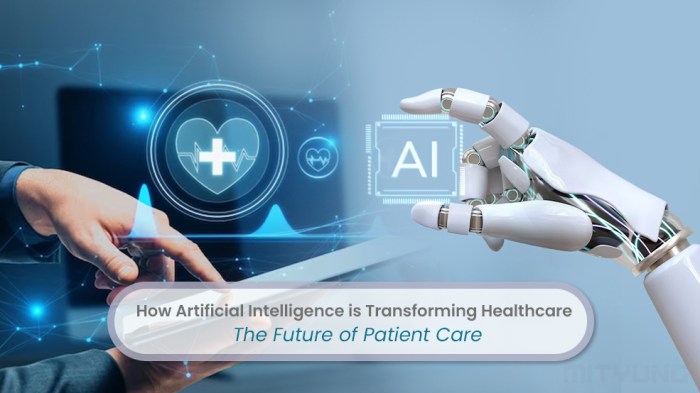
AI has significantly transformed the healthcare landscape by revolutionizing patient outcomes through innovative technologies. One of the key areas where AI has been integrated is in Health Information Technology (HIT) to enhance patient care, improve diagnostics, treatment planning, and personalized medicine.
AI Applications in Healthcare
AI applications in healthcare have led to a multitude of benefits, such as improving diagnosis accuracy, optimizing treatment plans, and providing personalized medicine options. For example, AI-powered algorithms can analyze medical images with incredible precision, aiding in early detection of diseases like cancer. This not only allows for faster and more accurate diagnosis but also enables healthcare providers to tailor treatment plans to individual patients based on their unique genetic makeup and medical history.
- AI in Diagnostics: AI can analyze vast amounts of patient data to identify patterns and predict potential health issues, leading to quicker and more accurate diagnoses.
- AI in Treatment Planning: By analyzing patient data and medical literature, AI can recommend personalized treatment plans that are more effective and tailored to the specific needs of each patient.
- AI in Personalized Medicine: AI can help healthcare providers deliver personalized medicine by considering genetic markers, lifestyle factors, and other patient-specific data to determine the most effective course of treatment.
It is essential to note that while AI-driven healthcare technologies offer immense potential benefits, there are also risks to consider, such as data privacy concerns, algorithm bias, and the need for regulatory oversight to ensure patient safety.
Interoperability and Data Exchange
Interoperability in healthcare refers to the ability of different information systems and software applications to communicate, exchange data, and use the information that has been exchanged. This plays a crucial role in improving patient outcomes by ensuring that relevant health information is available when and where it is needed.
Current State of Data Exchange
Data exchange between healthcare systems has made significant progress in recent years, thanks to the development of Health Information Exchanges (HIEs) and Electronic Health Records (EHRs). These systems allow healthcare providers to securely share patient information, leading to better coordination of care and reduced medical errors.
- Improved Care Coordination: Interoperability enables healthcare providers to access a patient’s complete medical history, test results, and treatment plans, leading to more informed decision-making and better coordination of care.
- Reduced Duplication of Tests: When different healthcare providers can easily share patient data, unnecessary duplication of tests and procedures can be avoided, saving time and resources.
- Enhanced Patient Safety: Interoperability ensures that critical information, such as allergies and medication history, is readily available to all healthcare providers, reducing the risk of medication errors and adverse events.
Role of Standardized Data Formats and Protocols
Standardized data formats and protocols play a key role in facilitating interoperability by ensuring that different systems can understand and interpret data in a consistent manner. For example, the use of standards like HL7 (Health Level Seven) and FHIR (Fast Healthcare Interoperability Resources) allows for seamless exchange of health information between disparate systems.
- Efficient Data Sharing: Standardized data formats enable healthcare organizations to exchange information more efficiently, without the need for costly custom interfaces or manual data entry.
- Improved Data Accuracy: By using standardized protocols, the risk of data errors and inconsistencies is reduced, leading to more accurate and reliable information exchange.
- Scalability and Flexibility: Standardized data formats and protocols ensure that healthcare systems can easily scale and adapt to changing requirements, fostering innovation and interoperability.
Telehealth and Remote Monitoring
Telehealth services have become increasingly popular as a way to provide healthcare remotely, leveraging Health Information Technology (HIT) to reach more patients. Through virtual consultations and remote monitoring technologies, patients can receive medical care without the need for in-person visits, saving time and improving access to healthcare services.
Advancements in Remote Monitoring Technology
Remote monitoring technology has made significant advancements in chronic disease management. Devices such as wearable sensors and mobile apps allow healthcare providers to track patients’ vital signs, medication adherence, and symptoms in real-time. This continuous monitoring enables early detection of health issues and timely interventions, leading to better outcomes for patients with chronic conditions.
Effectiveness of In-person Visits vs. Virtual Consultations
Virtual consultations have proven to be as effective as in-person visits in many cases, especially for routine follow-ups, medication management, and mental health counseling. Studies have shown that virtual care can lead to similar patient outcomes compared to traditional in-person visits. Additionally, telehealth services have the potential to improve patient engagement and adherence to treatment plans, resulting in better overall health outcomes.
Patient Engagement and Empowerment
Patient engagement is crucial in healthcare as it plays a significant role in improving patient outcomes. Health Information Technology (HIT) has revolutionized the way patients interact with their healthcare providers, empowering them to take control of their health like never before.
Role of HIT in Empowering Patients
- Through patient portals, individuals can access their medical records, lab results, and appointment schedules, allowing them to actively participate in their care decisions.
- Health apps enable patients to track their vitals, medication adherence, and overall health progress, promoting self-management and awareness.
- Telehealth services offer convenient virtual visits, making healthcare more accessible and engaging for patients, especially in remote or underserved areas.
Examples of Patient Engagement Tools
- MyChart by Epic Systems: A popular patient portal that provides secure messaging, appointment scheduling, prescription refills, and personalized health information.
- Fitbit: A wearable device that tracks physical activity, heart rate, sleep patterns, and nutrition, encouraging users to stay active and monitor their health habits.
- Teladoc: A telehealth platform that connects patients with healthcare providers for virtual consultations, offering convenient and timely access to care.
Impact of Patient Portals and Health Apps
Patient portals and health apps have positively impacted healthcare delivery and patient satisfaction by enhancing communication, promoting preventive care, and fostering a collaborative relationship between patients and providers. The ease of access to health information, personalized alerts, and remote monitoring capabilities have led to better health outcomes and increased patient engagement.
Privacy, Security, and Ethical Considerations
In the rapidly evolving landscape of healthcare technology, privacy, security, and ethical considerations play a crucial role in ensuring the trust and well-being of patients. As health information technology (HIT) continues to advance, it is essential to address the challenges and implications associated with safeguarding patient data and maintaining ethical standards.
Privacy Concerns in HIT
Privacy concerns in HIT revolve around the protection of sensitive patient information from unauthorized access or breaches. With the digitization of healthcare records and the exchange of data across various platforms, there is a heightened risk of privacy violations.
Security Measures in HIT Systems
To mitigate security risks, healthcare organizations implement robust encryption protocols, access controls, and cybersecurity measures to safeguard patient data. Regular security audits and training programs are crucial in maintaining the integrity of HIT systems.
Ethical Implications of Data Sharing
Data sharing in the era of digital health raises ethical concerns regarding patient consent, transparency, and the responsible use of information. Healthcare providers must prioritize patient autonomy and confidentiality when sharing data for research or treatment purposes.
Regulatory Frameworks and Policies
Regulatory frameworks such as the Health Insurance Portability and Accountability Act (HIPAA) and the General Data Protection Regulation (GDPR) provide guidelines for the collection, storage, and sharing of patient information in HIT systems. Compliance with these regulations is vital to protect patient privacy and ensure ethical practices in healthcare.
Conclusive Thoughts
In essence, the fusion of technology and healthcare in 2026 is not just a vision but a reality that is reshaping the way we perceive and experience patient care. The strides made in HIT are not only enhancing outcomes but also empowering patients to actively participate in their health journey. As we embrace these innovations, the future of healthcare looks brighter and more patient-centric than ever before.
Common Queries
How does HIT contribute to improving patient outcomes in 2026?
HIT enhances patient outcomes by streamlining data access, facilitating personalized care plans, and enabling efficient communication between healthcare providers.
What are the major challenges associated with the adoption of HIT in healthcare?
Some challenges include data security concerns, interoperability issues between different systems, and the need for staff training to effectively utilize HIT tools.
How is AI integrated into HIT to enhance patient care?
AI is used in HIT for tasks like predictive analytics, image recognition for diagnostics, and treatment recommendations based on vast amounts of data analysis.