Exploring the realm of private health insurance and the decision to switch, this introductory paragraph aims to grab the reader’s attention and provide a glimpse into the world of healthcare coverage options.
Delving deeper into the topic, we uncover the nuances and considerations involved in private health insurance and the potential benefits it may offer.
What Is Private Health Insurance?
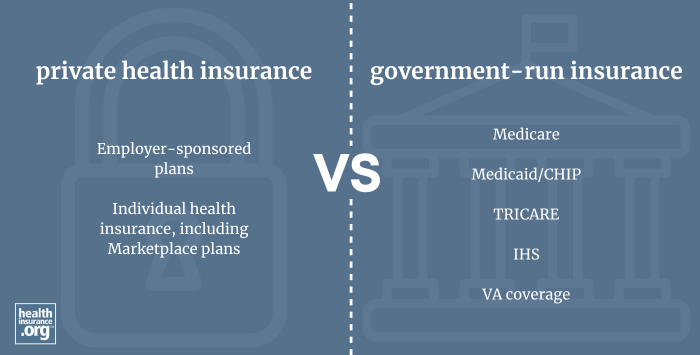
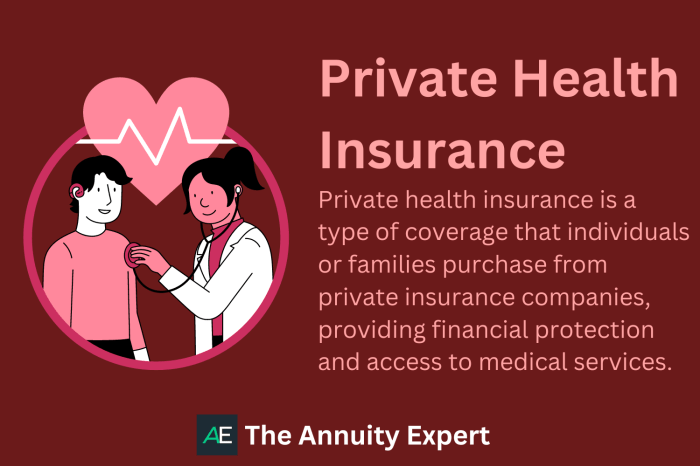
Private health insurance refers to insurance coverage that individuals or families can purchase from private companies to help cover the costs of medical expenses. This type of insurance is separate from public health insurance provided by the government, such as Medicare or Medicaid.
Examples of Private Health Insurance Companies
- UnitedHealthcare
- Anthem
- Cigna
- Aetna
Benefits of Private Health Insurance
Private health insurance offers numerous advantages that can greatly benefit individuals and families. One of the key advantages is the more extensive coverage it provides compared to public health insurance. Additionally, private health insurance can grant access to a wider network of healthcare providers, giving individuals more options for their medical needs.
Advantages of Private Health Insurance
- Increased coverage for various medical services, including dental, vision, and alternative therapies.
- Shorter wait times for specialists and elective procedures.
- Access to private hospital rooms and amenities for a more comfortable stay during treatment.
- Choice of healthcare providers and the ability to see specialists without a referral.
Extensive Coverage Compared to Public Health Insurance
Private health insurance plans often cover services that may not be included in public health insurance, such as dental care, vision care, and complementary therapies. This broader coverage can provide individuals with more comprehensive protection against various health issues and medical expenses.
Access to a Wider Network of Healthcare Providers
Private health insurance plans typically offer access to a larger network of healthcare providers, including specialists and facilities that may not be available through public healthcare services. This can be beneficial for individuals seeking specialized care or treatment options that are not widely accessible through the public system.
Considerations Before Switching
When considering switching to private health insurance, there are several key factors to keep in mind to ensure you make the right decision for your healthcare needs. Evaluating your current situation and comparing different private health insurance plans will help you determine if switching is the best choice for you.
Coverage and Benefits
- Review your current health needs and determine if the coverage offered by private health insurance aligns with those needs.
- Consider the benefits provided by private health insurance such as access to specialists, shorter wait times, and coverage for additional services like dental and vision care.
- Compare the coverage and benefits of different private health insurance plans to find one that suits your requirements.
Cost and Affordability
- Assess the cost of private health insurance premiums and deductibles compared to what you are currently paying for healthcare.
- Consider your budget and financial situation to ensure that switching to private health insurance is affordable for you.
- Look for any additional costs or fees associated with private health insurance plans that may impact your overall expenses.
Network and Providers
- Check if your preferred healthcare providers, hospitals, and specialists are included in the network of the private health insurance plan you are considering.
- Evaluate the quality of care provided by the network of healthcare providers associated with the private health insurance plan.
- Consider the flexibility to choose your healthcare providers and specialists within the private health insurance plan’s network.
Switching to Private Health Insurance
Transitioning from public to private health insurance can be a significant decision with various factors to consider. Here are some tips to help you seamlessly switch to a new private health insurance plan.
Understanding Your Current Coverage
Before making the switch, it’s crucial to have a clear understanding of your current public health insurance coverage. Take note of what is included, such as benefits, limitations, and any out-of-pocket costs.
Researching Private Health Insurance Options
Research different private health insurance providers to find a plan that meets your specific needs and budget. Compare the coverage, premiums, deductibles, and network of healthcare providers before making a decision.
Contacting Insurance Providers
Reach out to the private health insurance providers you are interested in to gather more information and clarify any questions you may have. Ask about the enrollment process, coverage details, and any additional benefits offered.
Seamless Transition
- Ensure there is no gap in coverage between your public and private health insurance plans. Coordinate the effective dates to avoid any periods without insurance.
- Notify your healthcare providers of the insurance switch to prevent any billing issues. Provide them with the details of your new private health insurance plan.
- Update your information with pharmacies, specialists, and any other healthcare professionals you regularly visit to ensure a smooth transition.
Potential Challenges
- Some private health insurance plans may have waiting periods for certain services or pre-existing conditions, which could impact immediate coverage.
- Costs associated with private health insurance, including premiums, deductibles, and copayments, may be higher compared to public insurance.
- Changes in network providers may limit your access to certain healthcare facilities or specialists, requiring adjustments in your healthcare routine.
Closure
Wrapping up our discussion on private health insurance and the choice to switch, this final paragraph summarizes the key points and leaves readers with a thought-provoking conclusion.
General Inquiries
What are the key factors to consider before switching to private health insurance?
Key factors to consider before switching include coverage needs, budget, network of providers, and potential out-of-pocket costs.
How can one evaluate if switching to private health insurance is the right choice?
Individuals can evaluate by comparing benefits, costs, coverage options, and network of healthcare providers to determine if it aligns with their needs.
What are the potential challenges of switching to private health insurance?
Challenges may include higher premiums, limitations on coverage, pre-existing condition exclusions, and potential gaps in coverage during the transition period.